Follow Me On Social Media!


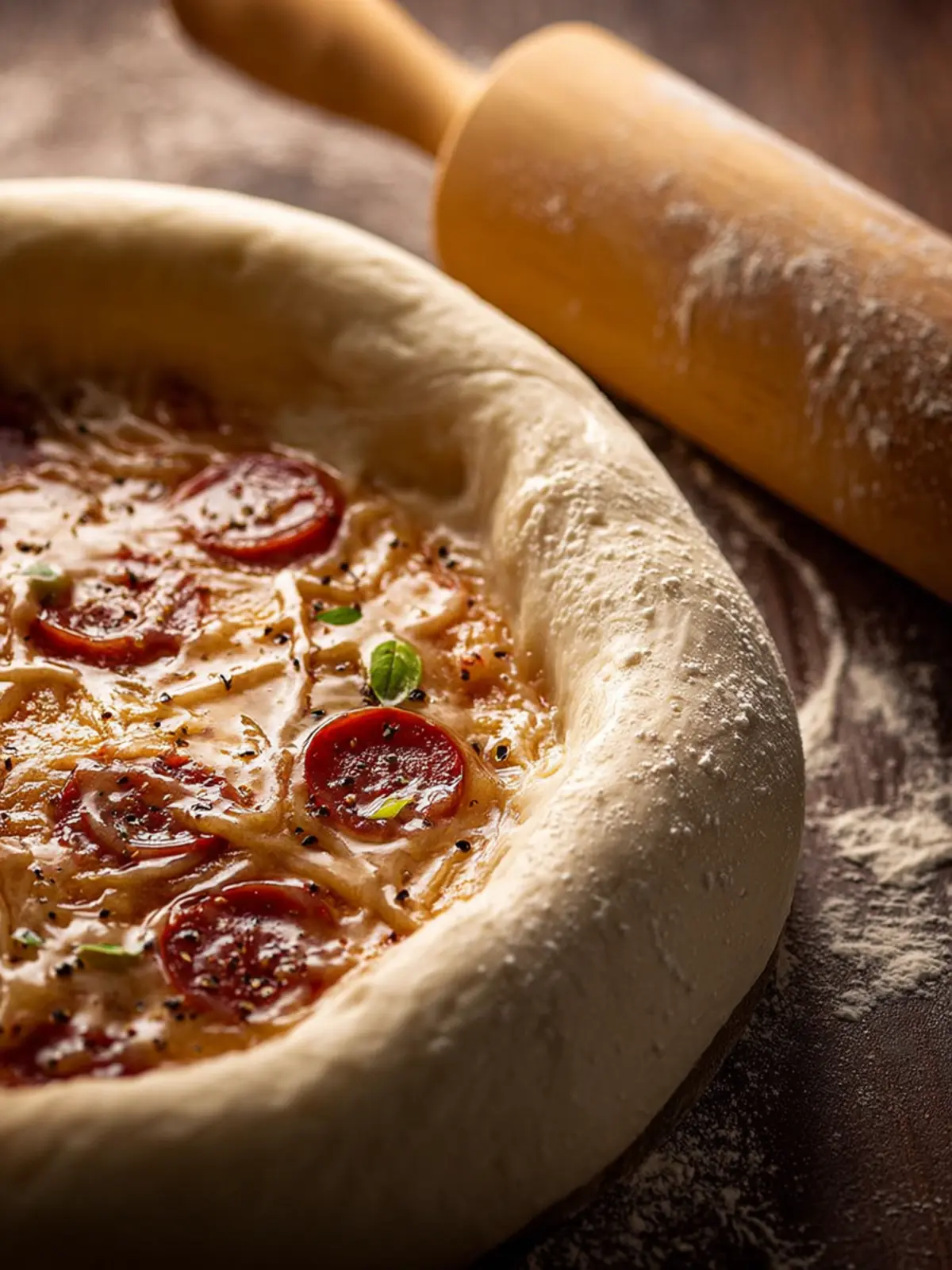
Pizza Dough Perfection: The Best Homemade Recipe Ever

Introduction to Pizza Dough
Creating pizza dough can be one of the most rewarding experiences you’ll have in the kitchen—a simple blend of ingredients transforming into the foundation of a delicious meal. Picture this: a cozy Friday night, friends gathered around your kitchen like a scene from a movie, flour dusting the countertops as you knead and stretch the dough. There’s something magical about homemade pizza that adds a personal touch to any gathering.
The joy of homemade pizza nights
Homemade pizza nights aren’t just about the cooking; they’re about the memories you create. You might find yourself channeling your inner chef, experimenting with different toppings while sharing stories and laughter with friends. It’s a chance to express your culinary creativity, whether that means making a classic Margherita, a unique barbecue chicken pizza, or even a dessert pizza featuring Nutella and strawberries.
Making your own pizza dough allows you to control each ingredient, ensuring quality and freshness that pre-packaged alternatives just can’t match. The smell of rising dough, the excitement of tossing it in the air to stretch it, and the satisfaction of pulling that golden, bubbly pizza from the oven are all part of the experience.
As you embark on this journey to perfect your pizza dough, remember that it’s not just about the final product—it’s about enjoying every step along the way. For those who may be new to the process, we’ll break down the ingredients and steps in simple, approachable terms, making it easy and fun to get started.
So whether you’re planning a cozy night in, a festive gathering with friends, or simply indulging in some self-care through cooking, homemade pizza dough is a fantastic skill to have. Get ready to create tantalizing flavors and delightful memories from your own kitchen. It’s time to roll up your sleeves and get started!
Key Ingredients for Pizza Dough
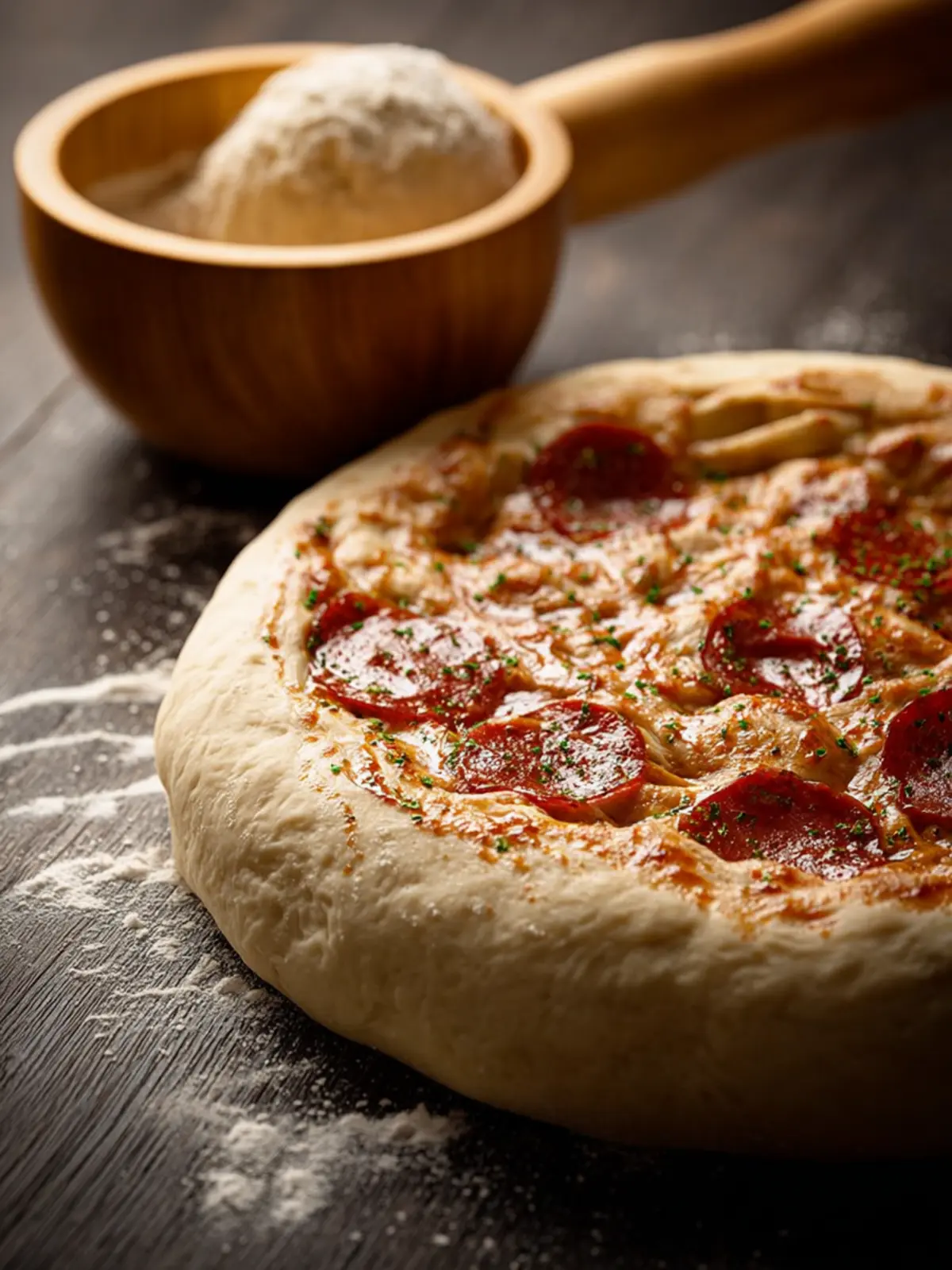
Creating the ideal pizza dough is an art, and the right ingredients play a crucial role in crafting that perfect crust. Here’s a breakdown of what you need to achieve a delightful pizza experience.
Active Dry Yeast
Think of active dry yeast as the magic ingredient that brings your dough to life. By using fresh yeast, you can achieve a beautifully risen crust that’s flaky and full of flavor. The activation of yeast is the first step toward pizza perfection.
Sugar
Adding a teaspoon of sugar may seem minor, but it significantly impacts your dough. It acts as a catalyst for the yeast, helping it wake up and do its job while contributing to a delightful texture and subtle sweetness.
Warm Water
To unlock the potential of the yeast, warm water is essential. This gentle heat activates the yeast, allowing it to produce carbon dioxide which makes your dough rise, creating an airy texture.
All-Purpose Flour
For the structure and chewiness you crave in your pizza dough, all-purpose flour is the go-to choice. It balances gluten development, giving your crust the ideal bite while still being flexible enough to stretch.
Olive Oil
Adding a splash of olive oil enhances not only the flavor of the dough but also its tenderness. This ingredient helps to keep your crust from becoming too tough, ensuring it remains pleasant to chew.
Salt
Last but not least, a pinch of salt elevates the overall flavor profile. It enhances the taste of each bite, making your pizza not just food, but a culinary experience.
With these components in hand, you’re well on your way to crafting delicious, homemade pizza that will impress family and friends alike.
Why You’ll Love This Pizza Dough Recipe
When you embark on the journey of making your own pizza dough, you’re not just creating a meal; you’re crafting a canvas for culinary creativity. There’s something incredibly satisfying about kneading the dough and watching it rise, knowing that a delicious masterpiece awaits.
Perfect for creative topping combinations
One of the best aspects of this pizza dough recipe is its versatility. The texture is ideal for holding up under an array of toppings, allowing you to experiment with flavors and ingredients. Whether you’re in the mood for a classic Margherita, a loaded veggie delight, or a gourmet twist with fig and goat cheese, this pizza dough promises to be the perfect base.
- Choose your sauce: From traditional tomato to creamy white sauce, the options are endless.
- Mix and match cheeses: Mozzarella, feta, or even vegan alternatives can help you cater to any dietary preference.
- Experiment with toppings: Go wild with your favorites — spicy pepperoni, arugula, or even seasonal veggies can take your pizza to new heights.
Imagine gathering friends for a pizza night where everyone crafts their own unique pie. This dough will rise to the occasion (literally!) as it bakes into a perfectly chewy crust, making every bite an experience worth savoring. The best part? You’ll never want to go back to store-bought again.
Variations of Pizza Dough
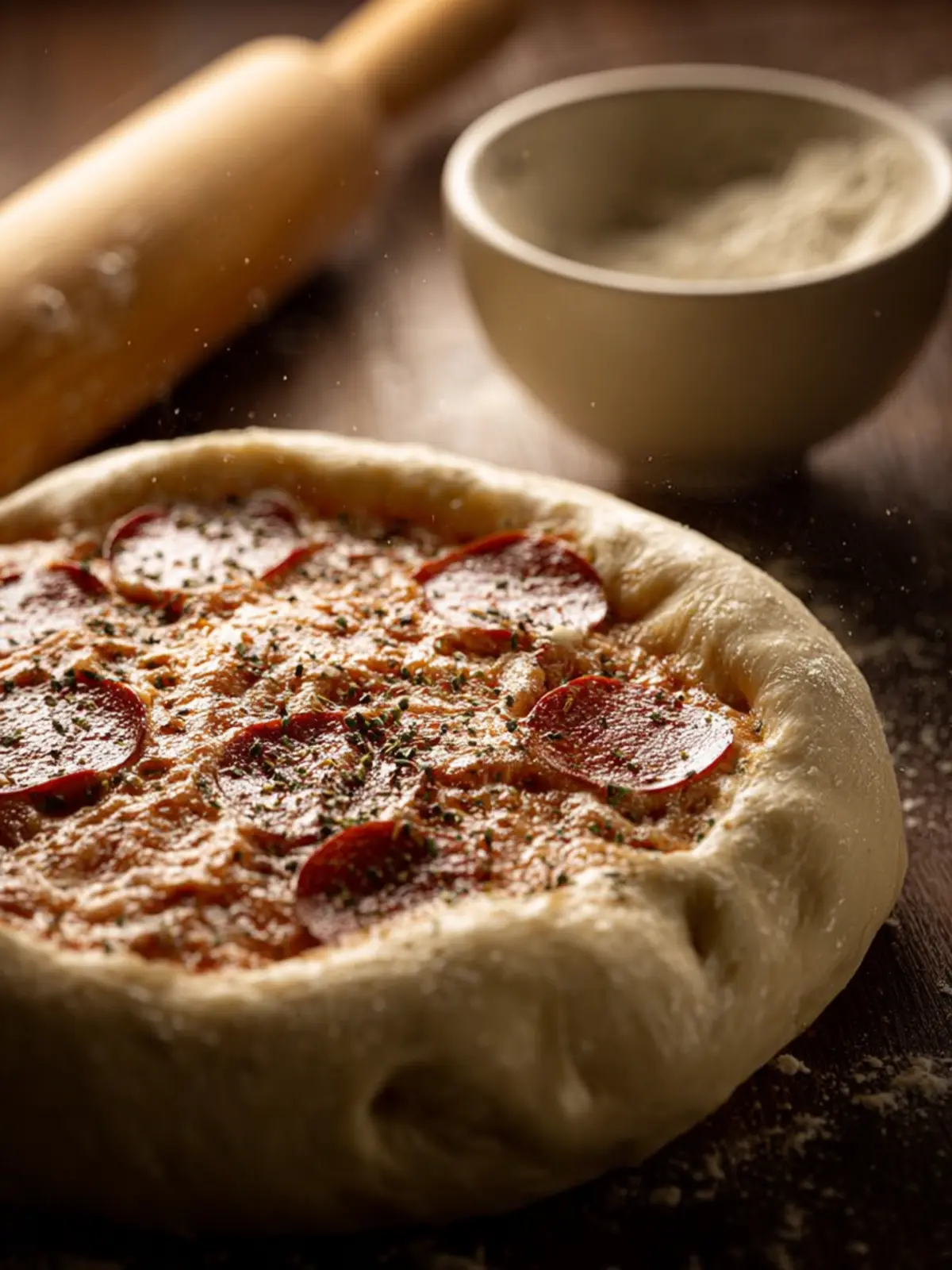
When crafting the perfect pizza dough, the journey can be as delicious as the destination. Exploring alternative flours not only diversifies your pizza-making experience but also provides unique flavors and textures.
Exploring Whole Wheat and Bread Flour Options
-
Whole Wheat Flour: Incorporating whole wheat flour into your pizza dough brings a nutty flavor and a denser texture. While it may require a bit more hydration due to its higher fiber content, the resulting dough will have a wholesome, hearty quality. Plus, it adds nutritional benefits, enriching your meal with extra protein and fiber!
-
Bread Flour: If you’re aiming for a chewier, more robust crust, bread flour is your go-to choice. It’s higher in protein than all-purpose flour, which creates more gluten—resulting in an airy, soft yet crispy texture. Many pizzerias rely on bread flour for that signature pizzeria-style slice.
-
Mixing it Up: Don’t hesitate to experiment by mixing whole wheat and bread flour for a delightful hybrid dough. This can strike a balance between healthiness and the classic pizza crust you love.
Whether you’re hosting a pizza night or simply indulging in a slice for yourself, adapting your pizza dough opens up a spectrum of possibilities!
Cooking Tips and Notes for Pizza Dough
Creating the perfect pizza dough can feel like weaving a tapestry of different ingredients and techniques, where one small misstep can unravel a carefully crafted masterpiece. Here are some essential tips to ensure your dough stands tall and proud.
Common pitfalls to avoid and expert advice
-
Kneading Too Much or Too Little: Finding that ideal balance is key. Over-kneading can lead to tough dough, while under-kneading might prevent it from developing that sought-after gluten structure. Aim for a smooth, elastic texture without overworking it.
-
Temperature Matters: Yeast thrives in warm conditions. Make sure your water isn’t too hot, as that can kill the yeast. A comfortable range is about 105°F to 110°F. If it feels too hot to the touch, give it a moment to cool before mixing.
-
Perfectly Timed Rise: Don’t rush your pizza dough. A longer rise allows for better flavor. Aim for at least an hour but letting it sit for several hours, or even overnight in the fridge, can take it to the next level.
-
Avoiding Dryness: If your dough is too dry, it won’t rise correctly. Add water slowly while mixing until just the right consistency is achieved. For sticky dough, don’t be tempted to add too much flour – a little stickiness is normal and can be managed during stretching.
Your journey to mastering pizza dough is one of practice and passion, and following these tips can help turn a simple meal into a delicious work of art!
Serving Suggestions for Homemade Pizza
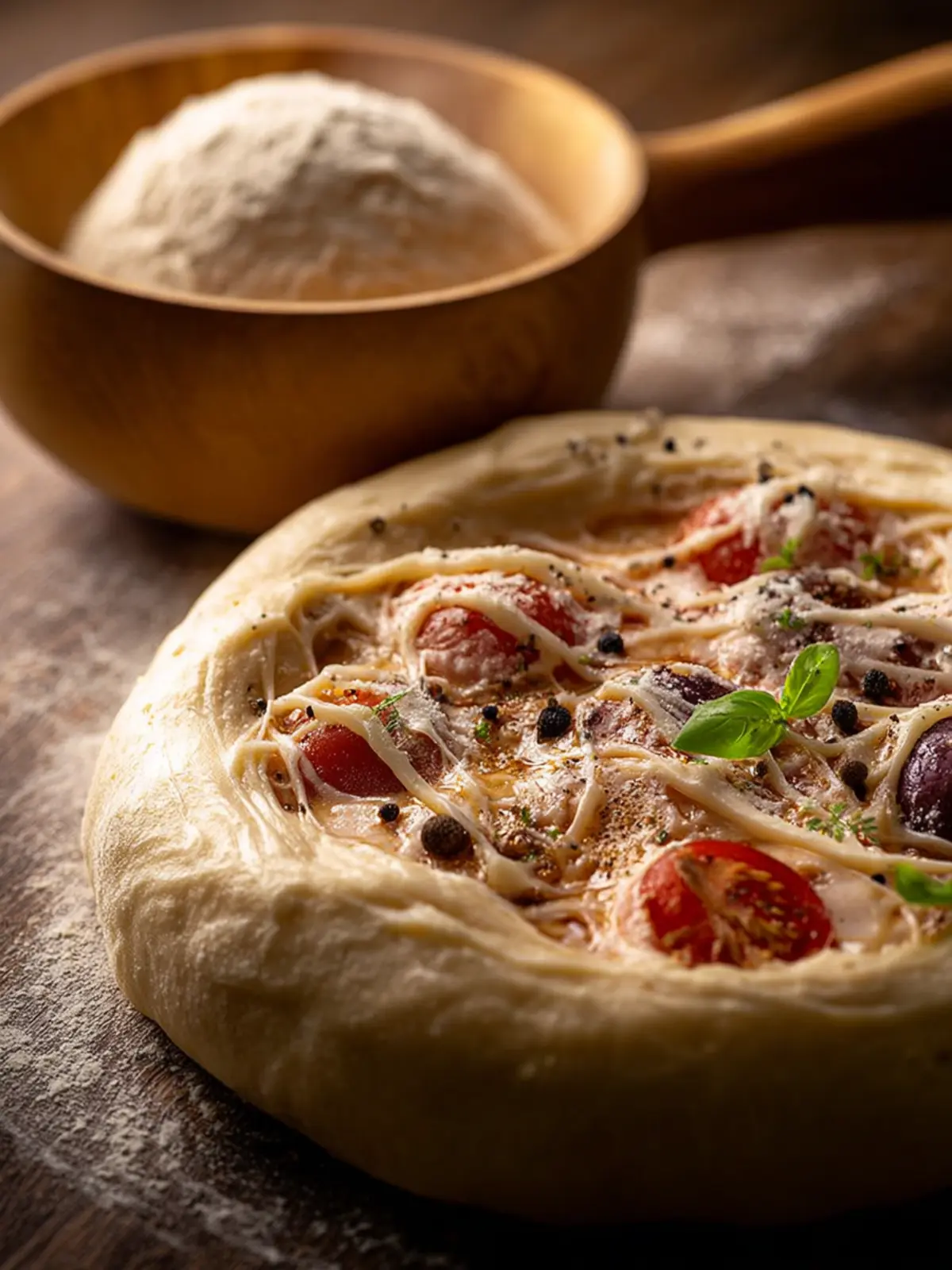
Making delicious homemade pizza dough is just the beginning of a culinary adventure. Once you’ve perfected your crust, it’s time to think about how to elevate your pizza night experience.
Pairing pizzas with the perfect drinks and sides
Choosing the right pairings can take your pizza night from good to great! Here are some suggestions:
-
Beverages: A classic pairing for pizza is a cold, crisp beer. Opt for a pale ale or a light lager to complement the flavors without overpowering them. If you’re leaning towards wine, a fruity Chianti or a zesty Sauvignon Blanc works beautifully with tomato-based sauces. And let’s not forget about non-alcoholic options like sparkling water with a splash of lemon or a refreshing iced tea.
-
Sides that Shine: Think beyond the pizza! A fresh salad topped with a tangy vinaigrette complements the richness of the pizza. You could also serve garlic knots or cheesy breadsticks for an indulgent touch. For an Italian twist, consider a platter of antipasti with olives, cured meats, and marinated vegetables.
With these pairings in mind, you’re not just serving pizza dough; you’re creating a whole dining experience that friends and family will love! Enjoy your pizza night!
Time Breakdown for Pizza Dough
Creating the perfect pizza dough is not only about the ingredients; it’s also about timing. Understanding the time needed at each stage can ensure your homemade pizza is a delicious triumph.
Preparation Time
To kick things off, gather your ingredients and mix them together. This initial prep will take approximately 15 minutes. It’s a great time to set the mood with your favorite tunes!
Rising Time
The dough needs a good rise to develop flavor and texture. Allow it to rise for about 1 to 2 hours, or until it doubles in size. Keep it in a warm spot, and watch your creation come alive!
Baking Time
Once your dough is ready and topped, bake it in a preheated oven at 475°F (245°C) for about 12 to 15 minutes. You’ll want to keep an eye on it for that perfect golden crust.
Total Time
All in all, expect about 1.5 to 2.5 hours from start to finish. With this time breakdown, you can plan your evening pizza night perfectly! Enjoy the anticipation as the aroma fills your kitchen.
Nutritional Facts for Pizza Dough
In the world of homemade pizza, understanding the nutritional facts for pizza dough can help you create a balanced meal. Every bite of that crispy crust holds a mix of essential nutrients that play a significant role in our overall diet.
Calories
A single serving of pizza dough typically contains about 150-200 calories, which contributes to your daily calorie intake while providing a satisfying base for your toppings.
Carbohydrates
With approximately 30-35 grams of carbohydrates per serving, pizza dough is a great source of energy. Carbs are essential for fueling your activities, especially after a long workday or gym session.
Protein
Each serving offers around 4-6 grams of protein. While not extremely high, this contributes to muscle repair and growth, making your pizza night a bit healthier.
Sodium
As for sodium, a serving of pizza dough contains about 200-400 milligrams. Keeping an eye on your sodium intake can enhance the overall healthiness of your homemade pizza, especially if you’re adding salty toppings.
FAQs about Pizza Dough
When you dive into the world of homemade pizza, pizza dough becomes the star of your culinary show. Many questions arise, especially for those new to the art of pizza-making. Don’t worry; you’re not alone! Here are some common queries and helpful answers to ensure your dough rises perfectly every time.
Can I make pizza dough in advance?
Absolutely! In fact, making pizza dough in advance can be a great time-saver. Once you’ve prepared your dough, let it rise and then refrigerate it for up to 3 days. This slow fermentation adds flavor and texture. If you want to keep it longer, consider freezing it! Just wrap it tightly in plastic wrap and place it in a freezer bag. When you’re ready to use it, let it thaw in the refrigerator overnight before shaping.
What’s the best way to store leftover dough?
Storing leftover pizza dough is simple. If you have unused dough, place it in an airtight container with a touch of oil to prevent it from drying out. Alternatively, you can wrap it tightly in plastic wrap. Remember, it will continue to rise even when refrigerated, so make sure to leave some room in the container. If you find yourself with more than you can use, freezing, as mentioned, is a viable option!
How do I adjust the recipe for a thinner crust?
If you’re dreaming of a crispy, thin crust, there are a few tweaks you can make to your pizza dough. First, roll the dough out to a thinner layer, about 1/4 inch thick. You might also reduce the yeast slightly to inhibit rising, resulting in a crisper texture. Keep an eye on the baking time, as thinner crusts can cook faster than their thicker counterparts. Enjoy your pizza night with a perfectly tailored crust!
Conclusion on Pizza Dough
Making pizza a family favorite with homemade dough is not just about the final result; it’s a journey of flavors, textures, and shared moments. With a simple recipe for pizza dough, you’ll discover how effortless it is to transform your kitchen into a pizzeria. The beauty of homemade dough lies in its versatility—experiment with different toppings, sauces, and cheeses, making every pizza night uniquely yours. Plus, involving family members in the creation process fosters bonds and tasty memories. So roll up your sleeves, dust off that flour, and get ready to enjoy every delicious bite of your homemade masterpiece!
Print
Homemade Pizza Dough
- Total Time: 1 hour 30 minutes
- Yield: 2 pizza crusts 1x
- Diet: Vegetarian
Description
This pizza dough recipe using active dry yeast relies on simple ingredients but produces excellent flavor and texture.
Ingredients
Scale
- 2 ¼ teaspoons active dry yeast (1 packet)
- 1 teaspoon sugar
- 1 ½ cups warm water
- 3 ½ cups all-purpose flour
- 2 tablespoons olive oil
- 1 teaspoon salt
- Optional substitutions: Honey can replace sugar; Bread flour can be used for a slightly chewier crust; Whole wheat flour can replace up to 1 cup of flour for a healthier twist.
Instructions
- In a large bowl, mix warm water, sugar, and active dry yeast. Let it sit for about 5 to 10 minutes until it becomes foamy (this means the yeast is active).
- Add olive oil and salt to the yeast mixture. Stir gently to combine.
- Gradually add flour while mixing with a spoon or stand mixer until a soft dough forms. This step works well if you are following a pizza dough recipe active dry yeast stand mixer method.
- Transfer the dough to a lightly floured surface and knead for about 8 minutes until smooth and elastic (knead gently to keep the dough soft).
- Place the dough in a lightly oiled bowl and cover it with a towel. Let it rise in a warm place for about 1 hour or until doubled in size.
- Punch down the dough and divide it into two portions.
- Roll or stretch the dough into pizza crusts. Add your favorite sauce, cheese, and toppings.
- Bake at 475°F (245°C) for 12 to 15 minutes until the crust is golden and crisp.
- This method works perfectly as a quick pizza dough recipe active dry yeast for busy evenings.
Notes
- This dough can be refrigerated for future use.
- For best results, use room temperature ingredients.
- Prep Time: 15 minutes
- Cook Time: 15 minutes
- Category: Baking
- Method: Baking
- Cuisine: Italian
Nutrition
- Serving Size: 1 slice
- Calories: 150
- Sugar: 1g
- Sodium: 200mg
- Fat: 3g
- Saturated Fat: 0.5g
- Unsaturated Fat: 2g
- Trans Fat: 0g
- Carbohydrates: 30g
- Fiber: 1g
- Protein: 5g
- Cholesterol: 0mg