Follow Me On Social Media!

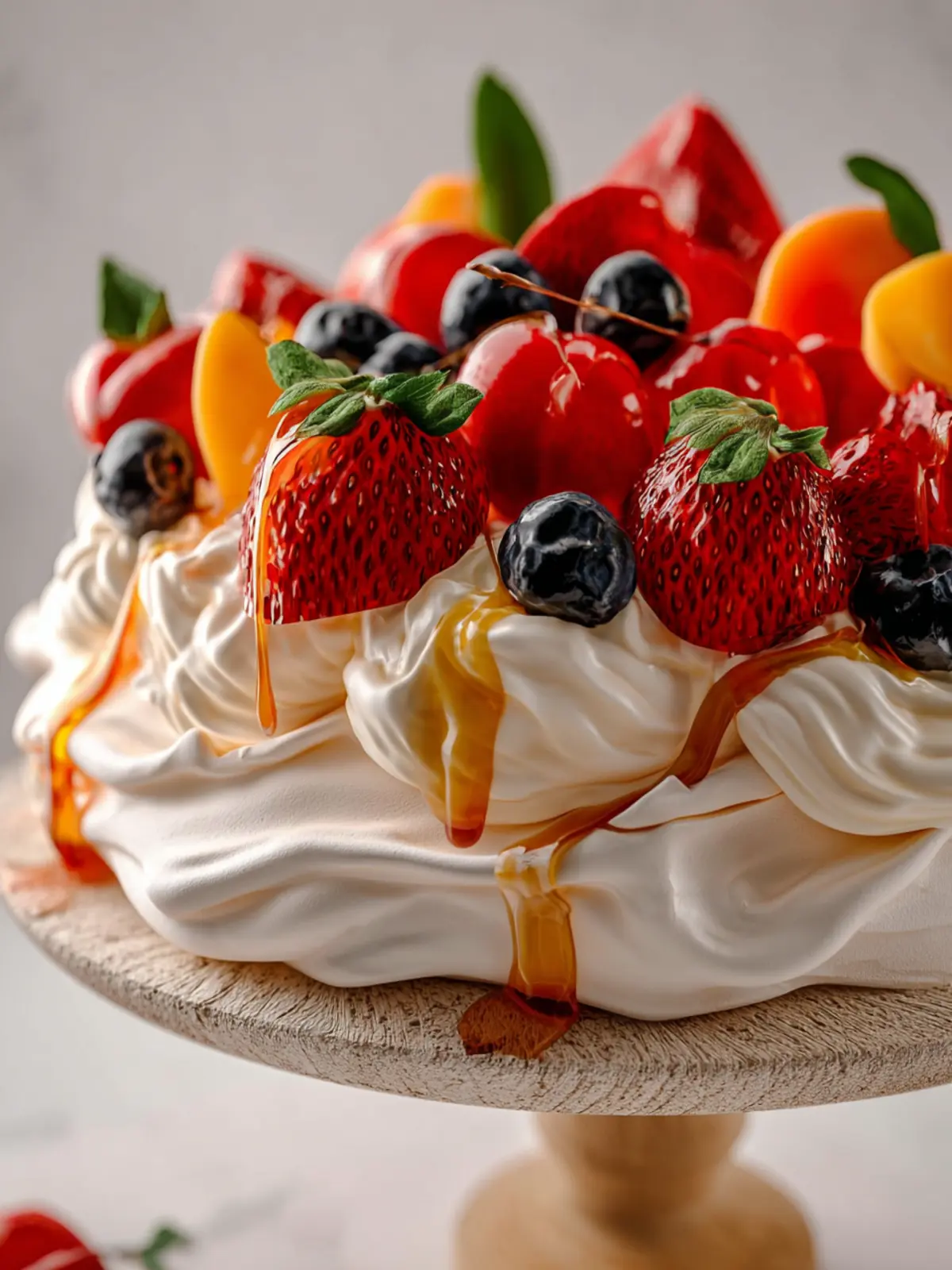
Pavlova Perfection: Easy, Light, and Irresistibly Sweet!

Introduction to Pavlova
Imagine the gorgeous crispiness of a perfectly baked pavlova, its delicate exterior shattering to reveal a soft, marshmallow-like center. This captivating dessert, named after the famous ballerina Anna Pavlova, has a unique story that dances through the kitchens of both aspiring and accomplished chefs across the globe. Known for its elegant presentation and delicious taste, pavlova beautifully balances textures and flavors—making it a perfect centerpiece for gatherings and celebrations.
What makes pavlova such a delightful dessert? It starts with the combination of just a few simple ingredients, yet it delivers a flavor profile that is anything but ordinary. The primary ingredient is egg whites, which, when whipped to perfection, create a meringue base that’s both light and airy. When baked, this mixture forms a delightful shell of crispiness that provides the perfect contrast to the smooth and creamy topping that often accompanies it—most commonly whipped cream and fresh fruit.
The Journey of Pavlova
The origins of pavlova are a topic of friendly debate between New Zealand and Australia, both claiming to have created this exquisite dish in honor of the Russian ballerina during her 1920s tour of the region. To add to its charm, pavlova shines during summer gatherings and festive occasions, often dressed in seasonal fruits like kiwi, berries, and passionfruit, making it not only delicious but visually stunning as well.
Many of us remember the first time we tasted pavlova. Perhaps it was at a family gathering or a friend’s party, where the sweet aroma wafted through the air, enticing everyone to indulge. That moment when the slice is served—the meringue crackling slightly, the cream oozing, and the fruit providing that burst of freshness—captures the essence of this classic dessert.
As you dive into creating your own pavlova, you’ll discover its forgiving nature—it’s as much about the journey of preparation as it is about the delightful end result. So gather your ingredients, preheat your oven, and get ready to create a dessert that will surely impress your friends and family.
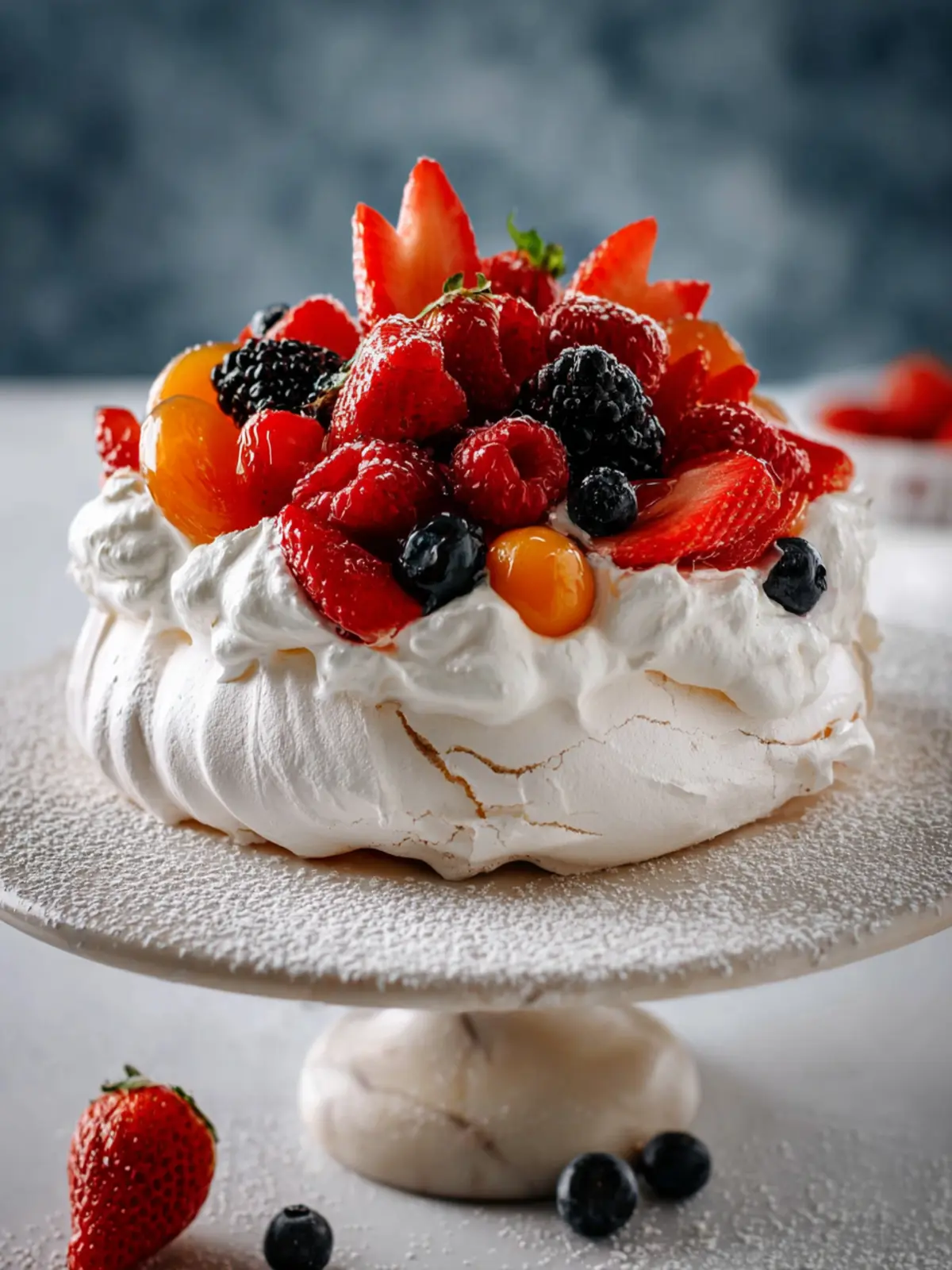
Key Ingredients for Pavlova:
Egg Whites: To create the perfect pavlova, fresh large egg whites are a must. When you whip them up, you’ll notice how they transform into a luscious mixture that forms the backbone of that iconic light and airy meringue. Don’t underestimate the power of freshness here; older eggs can be trickier to whip to perfection!
Sugar: Granulated sugar is your friend in this recipe! Adding it gradually stabilizes the meringue, ensuring it achieves that glossy finish while also balancing the sweetness. The ideal pavlova should have just the right amount of sugar to complement the vibrant toppings.
Cornstarch: A little cornstarch goes a long way! Just a small amount mixed in contributes to the pavlova’s sought-after texture. It creates that delightful contrast of a crisp exterior and a soft, fluffy inside—exactly what you’re aiming for.
Heavy Cream: For topping, heavy cream is essential. Whipping it up gives it a silky texture that harmonizes beautifully with the crisp meringue base. It adds a luxurious richness that elevates the overall dessert.
Fresh Fruits: The pièce de résistance! Topping your pavlova with fresh fruits allows you to add seasonal flair and vibrant colors. Think strawberries, peaches, or perhaps a medley of raspberries and mangoes for that extra zing of acidity and freshness.
Why You’ll Love This Pavlova
When it comes to pavlova, its unique combination of textures and flavors creates a delightful dessert experience that can make any occasion feel special. Picture this: a crisp outer shell that gives way to a marshmallow-like center, all adorned with luscious whipped cream and a vibrant array of fruits. This is not just a dessert; it’s a celebration of contrasts that will tantalize your taste buds.
Irresistible Texture
One of the standout features of pavlova is its playful texture. The exterior is perfectly crunchy, creating an enjoyable crunch that harmonizes beautifully with the creamy filling and fresh toppings. It’s a delightful contrast that keeps you coming back for more.
Effortlessly Elegant
What’s more, this dessert exudes elegance without requiring hours of labor. Perfect for impressing guests at a dinner party or a sweet treat on a cozy night in. You’ll love how the simple ingredients transform into a stunning centerpiece on your dining table.
Universal Appeal
Whether you’re hosting a summer barbecue or celebrating a holiday, pavlova fits seamlessly into any gathering. Its versatility in flavor combinations means you can cater to everyone’s preferences, letting fresh fruits shine through from berries to tropical slices.
Once you’ve tried this incredible dessert, you may just find yourself enamored with all its delightful possibilities.
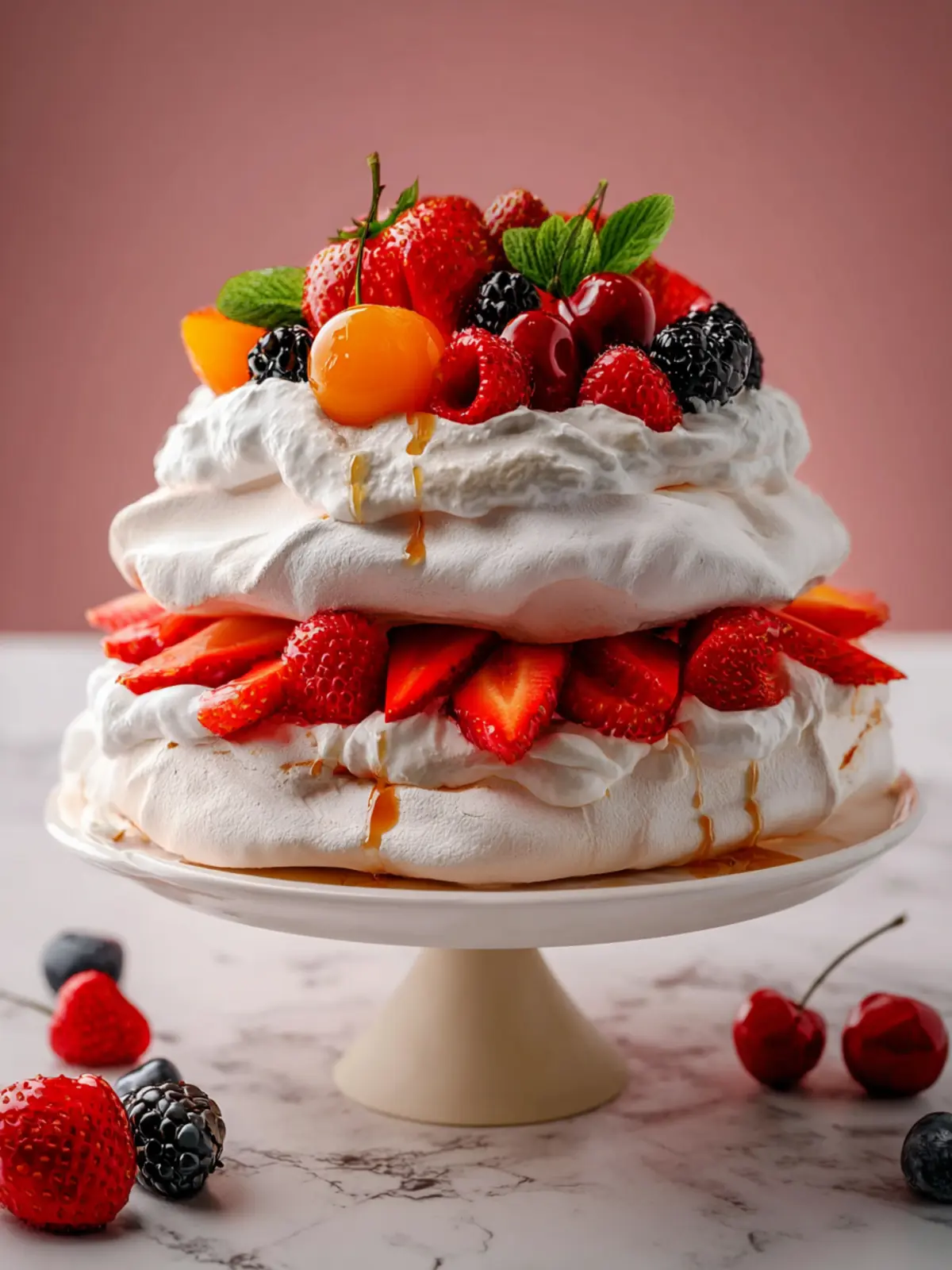
Tips for Making Perfect Pavlova
Creating a pavlova is not just about mixing ingredients; it’s about crafting a delightful experience that takes you to dessert bliss. Having made my fair share of these sweet meringue wonders, I’ve gathered some essential tips that can elevate your pavlova game.
Choose the Right Eggs
For that perfect meringue, always opt for fresh, room-temperature eggs. The whites whip up better, yielding a lighter, airier texture. If you’re unsure, older egg whites tend to whip more easily, creating a stable meringue.
Gradual Sugar Addition
One of the secrets to a successful pavlova lies in how you incorporate sugar. Add sugar gradually, about a tablespoon at a time, while you whip the egg whites. This ensures that the sugar dissolves completely, creating a silky texture.
Vinegar and Cornflour
A splash of vinegar and a bit of cornflour might seem unconventional, but they do wonders! The vinegar stabilizes the meringue while cornflour adds a nice chewiness to the texture, perfectly countering the crisp outer layer.
Temperature Control
Bake your pavlova at a low temperature and allow it to cool slowly in the oven. This prevents it from cracking and gives it that lovely marshmallow center we all adore.
Top with Fresh Fruits
When it’s time to serve, fresh fruits like berries, passion fruit, or kiwi are not just colorful; they add a burst of flavor. Plus, they help balance the sweetness of the pavlova.
With these tips, your pavlova will be a stunning centerpiece, sure to impress. Happy baking!
Time Breakdown for Pavlova
Creating the perfect pavlova is a delightful journey for both beginner and seasoned bakers. Understanding the time commitment can make your experience even more enjoyable. Here’s a simple breakdown:
Preparation Time
Getting your ingredients together and preparing the meringue will take approximately 20–30 minutes. This includes whipping the egg whites to that heavenly stiff peak stage.
Baking Time
Letting the pavlova bake low and slow is crucial, requiring about 1 hour in the oven. The key is to resist the temptation to peek too often—it’s all about that perfect crisp outer shell.
Total Time
In total, you’re looking at about 1 hour and 30 minutes from start to finish. Once it’s baked, allow it to cool completely before serving to achieve that delightful texture.
With this time breakdown, you’re well on your way to crafting a stunning pavlova!
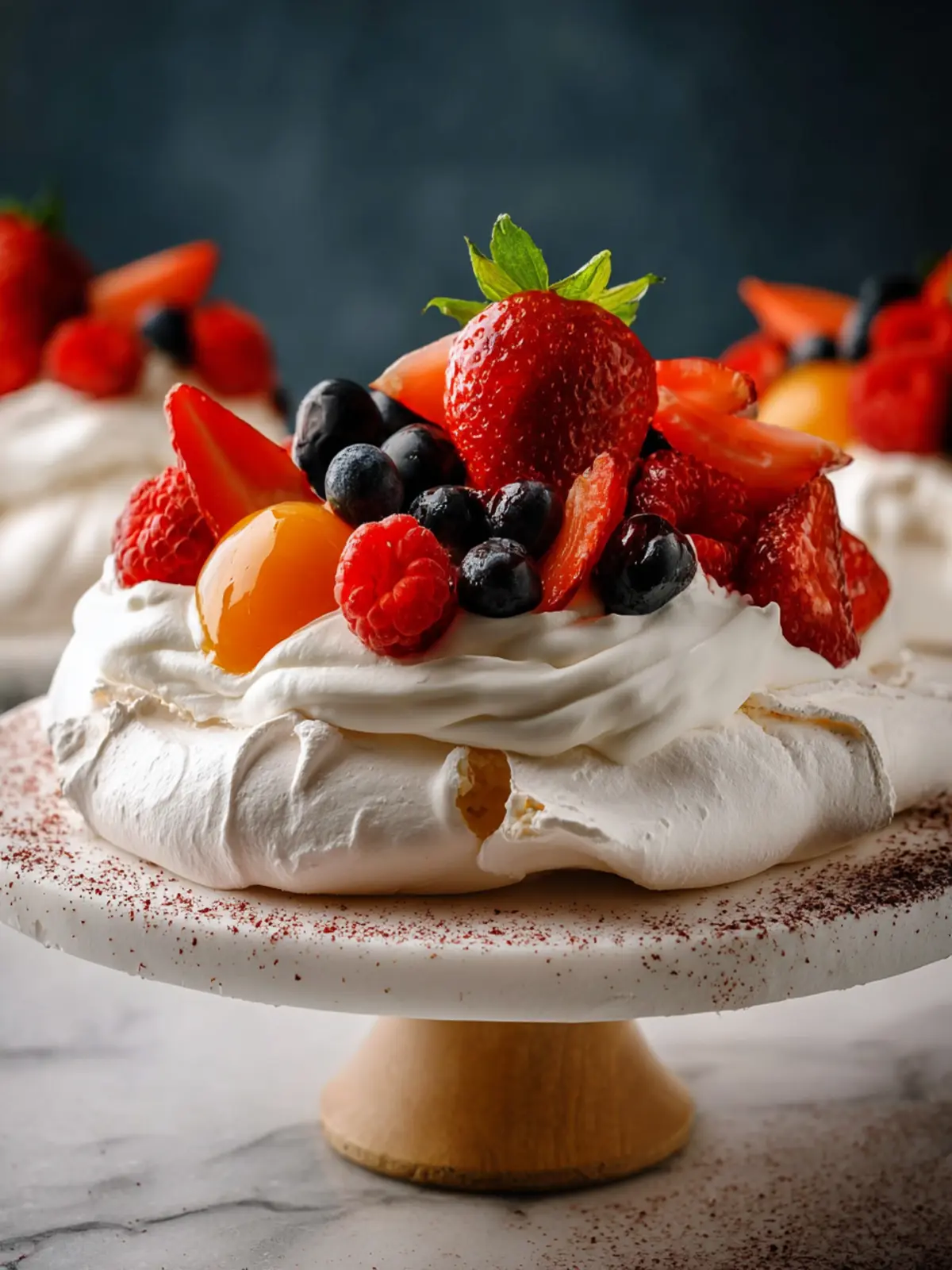
Nutritional Information for Pavlova
When diving into the delightful world of pavlova, it’s essential to understand its nutritional profile so you can savor each bite guilt-free. This Australian and New Zealand dessert is light yet indulgent, making it a popular choice for celebrations.
Calories
A serving of pavlova typically contains around 200 calories, making it a lighter dessert option compared to many others. This means you can enjoy a slice without worrying too much about overindulging.
Protein
With egg whites as a primary ingredient, pavlova is surprisingly rich in protein, offering about 4 grams per serving. This can contribute to your daily protein intake, something to consider whether you are fueling a busy day or recovering after a workout.
Sodium
Pavlova is naturally low in sodium, with a modest count of around 5 mg per serving. This makes it a heart-healthy dessert that’s perfect for those who are mindful of their sodium intake.
Understanding the nutritional aspects of pavlova not only enhances your appreciation for this beautiful dessert but also helps you make informed choices when indulging in sweet treats. Feel free to share this information with friends, making your gathering even more enjoyable!
FAQs about Pavlova
Creating the perfect Pavlova is an art form, and questions often arise during this delicious journey. Here’s a friendly guide to help you navigate some common queries!
How do I know when my Pavlova is done?
The key to knowing if your Pavlova is perfectly baked lies in its appearance and texture. You’re aiming for a crispy outer shell with a marshmallow-like interior. To check, gently tap the surface; it should be firm yet slightly soft to the touch. A good indicator is if the meringue easily lifts from the baking paper. If you notice any cracks forming during baking, that’s normal! However, if it’s browning too much, consider lowering your oven temperature towards the end.
Can I make Pavlova ahead of time?
Absolutely! One of the beauties of Pavlova is its ability to be made in advance. You can prepare the meringue a day ahead and store it in an airtight container at room temperature. Just remember to top it with your favorite fruits and whipped cream right before serving to maintain that fresh look and texture. This way, you can impress your guests without the last-minute rush.
What are the best fruits to top my Pavlova with?
The choice of fruits can truly elevate your Pavlova. Traditional options like kiwis, passion fruit, and berries not only add vibrant colors but also provide a delightful tang that complements the sweetness of the meringue. You can also experiment with seasonal fruits such as mango or peaches for a unique twist. Don’t be shy—feel free to mix and match to create your signature topping!
Conclusion on Pavlova
Bringing a touch of elegance and sweetness to any table, pavlova is more than just a dessert; it’s a delightful celebration of flavors and textures. Picture a crisp outer shell giving way to a cloud-like interior, topped with fresh, vibrant fruits and a drizzle of cream. This dish not only looks stunning, but its origins spark debate and fascination, making it a conversation starter at gatherings. Embrace the joy of making pavlova and share it with friends and family, creating sweet memories with each slice. Whether it’s a summer BBQ or a festive holiday dinner, pavlova is sure to impress.
Print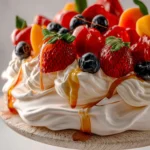
Pavlova with Fresh Fruit
- Total Time: 3 hours 30 minutes
- Yield: 8 servings 1x
- Diet: Vegetarian
Description
This Pavlova is a light and airy dessert made with whipped egg whites, topped with fresh fruits and whipped cream.
Ingredients
Scale
- 6 large Egg Whites
- 1 1/2 cups Sugar
- 2 Tablespoons Cornstarch
- pinch Salt
- 1 1/2 cups Heavy Cream
- 1/2 to 3/4 cup Powdered Sugar
- 1 teaspoon Vanilla Bean Paste or Extract
- assorted Fresh Fruits (Strawberries, Peaches, Raspberries, Mango, Nectarines, Blackberries, Cherries, Passionfruit)
Instructions
- Preheat oven to 310 degrees. Start by making sure your bowl is clean from any water or grease. Separate your egg whites from your egg yolks and ensure there are no egg yolks in the bowl with the whites. This is imperative to perfecting the ideal meringue. Room temperature egg whites work best.
- Whip the egg whites on high speed until soft peaks form, about 4-5 minutes on high speed. Begin to add the sugar a little at a time, whipping the entire time. After all of the sugar has been added, beat for 3 minutes longer, until thick and glossy. The peaks should still be very stiff.
- Add in cornstarch and a pinch of salt and whip just until combined, about 5 seconds.
- Use the bottom of a springform pan or a parchment paper circle and place it on a large baking sheet. Carefully place the meringue into the center and spread to the corners, depending on the desired thickness.
- Carefully place in oven and immediately reduce heat to 250 degrees. Bake for 1 hour 10 minutes. Do NOT open the oven or the pavlova may fall. You want to be gentle with this dessert. Do NOT remove from the oven but just turn off the oven and let pavlova remain in the oven for 2 hours. Once the pavlova is done, gently remove it from the oven.
- Whip the heavy cream and powdered sugar until soft peaks form. Fold in vanilla bean paste. Carefully spread the whipped cream mixture over the pavlova. Top with fresh fruit. Eat as soon as possible!
Notes
- Be gentle when handling the meringue to prevent it from collapsing.
- Using room temperature egg whites helps create a better meringue.
- Prep Time: 20 minutes
- Cook Time: 1 hour 10 minutes
- Category: Dessert
- Method: Baking
- Cuisine: International
Nutrition
- Serving Size: 1 slice
- Calories: 120
- Sugar: 15g
- Sodium: 30mg
- Fat: 8g
- Saturated Fat: 5g
- Unsaturated Fat: 3g
- Trans Fat: 0g
- Carbohydrates: 13g
- Fiber: 1g
- Protein: 2g
- Cholesterol: 0mg